Pepsin for Animal Nutrition Protein Ingredients
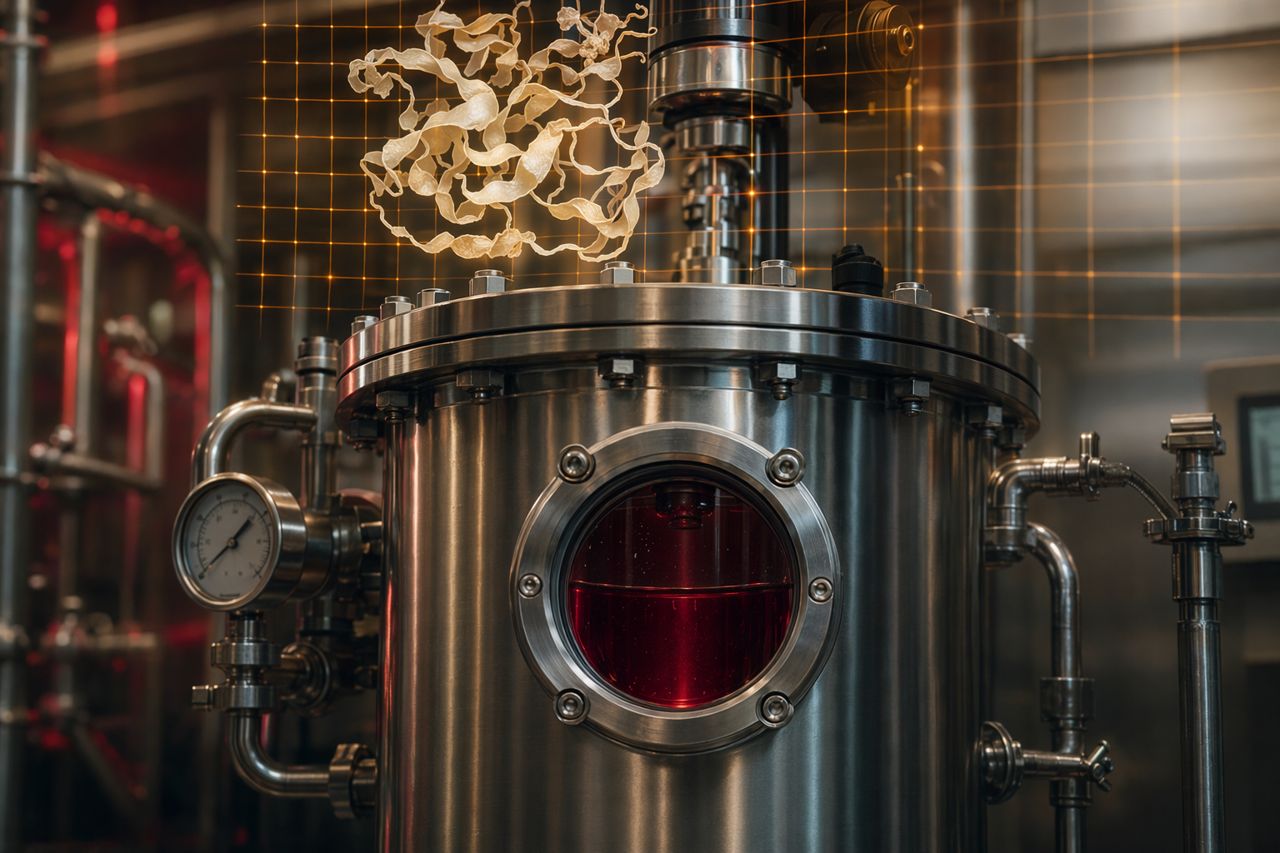
Protein ingredients for animal nutrition are under pressure to do more: disperse cleanly, support targeted peptide profiles, fit species-specific formulations, and remain practical at production scale. Pepsin gives formulation and process teams a controlled low-pH route for producing protein hydrolysates used in pet food, aquafeed, and specialty nutrition premixes.
Pepsin Enzyme Solutions supplies Pepsin (Aspartic Endopeptidase) in bulk to pet-food, aquafeed and feed-ingredient manufacturers, premix producers, distributors and resellers, for protein processing programs where acidic conditions are not a limitation. They are the operating advantage.
Buying for a plant or for resale? Pepsin for animal-nutrition hydrolysates is quoted per order; send the protein raw material, quantity and destination. Request a quote.
Why pepsin belongs in acidic protein hydrolysis
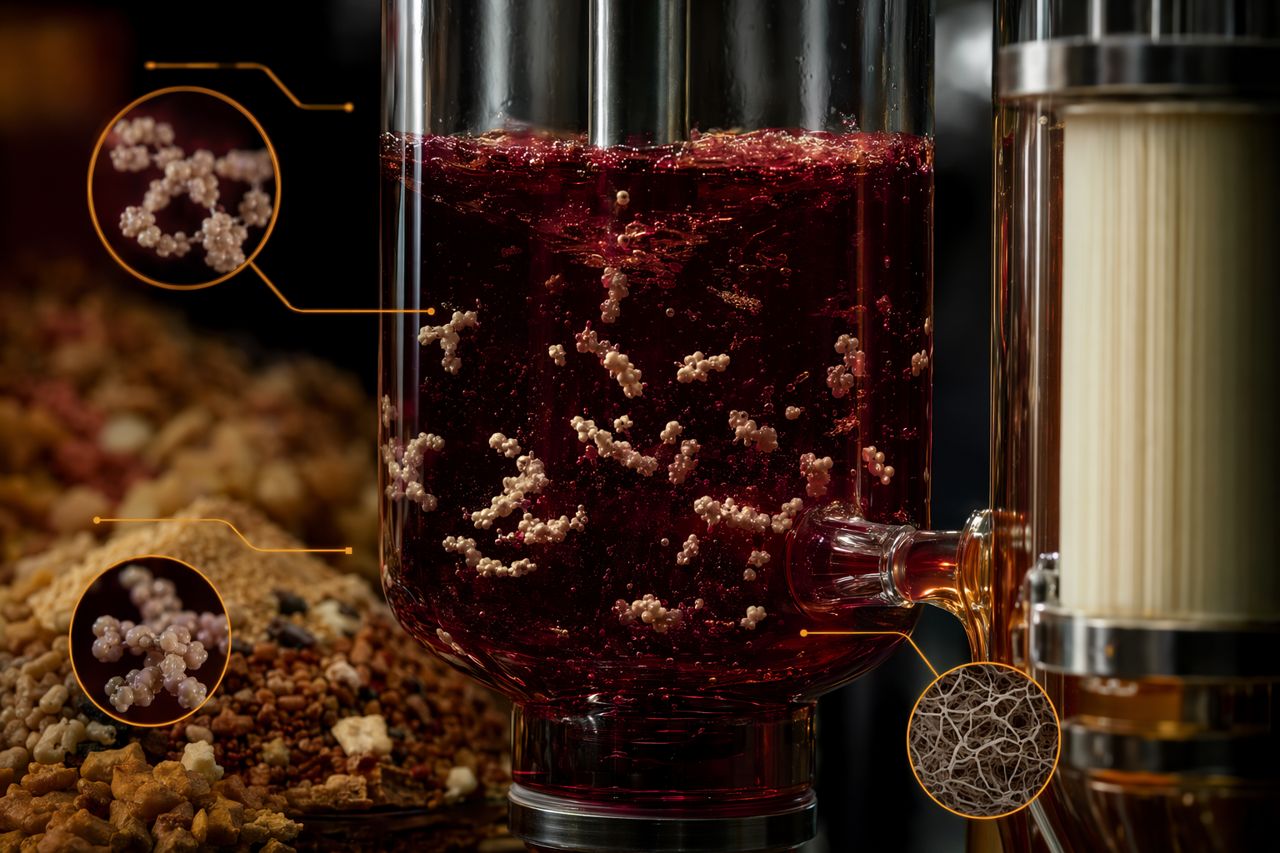
Pepsin is active in low-pH environments and cleaves proteins into smaller peptide fragments with practical value for animal nutrition ingredient development. For manufacturers working with animal-origin, marine, or approved blended protein streams, it can support a controlled hydrolysis step before neutralization, separation, concentration, or drying.
Use pepsin when the target is not simply protein breakdown, but controlled conversion.
Potential formulation outcomes
- Development of digestibility-focused protein hydrolysates
- Improved dispersion behavior in wet or dry feed systems
- Peptide profile adjustment for palatability and processing targets
- Reduced variability from difficult protein raw materials
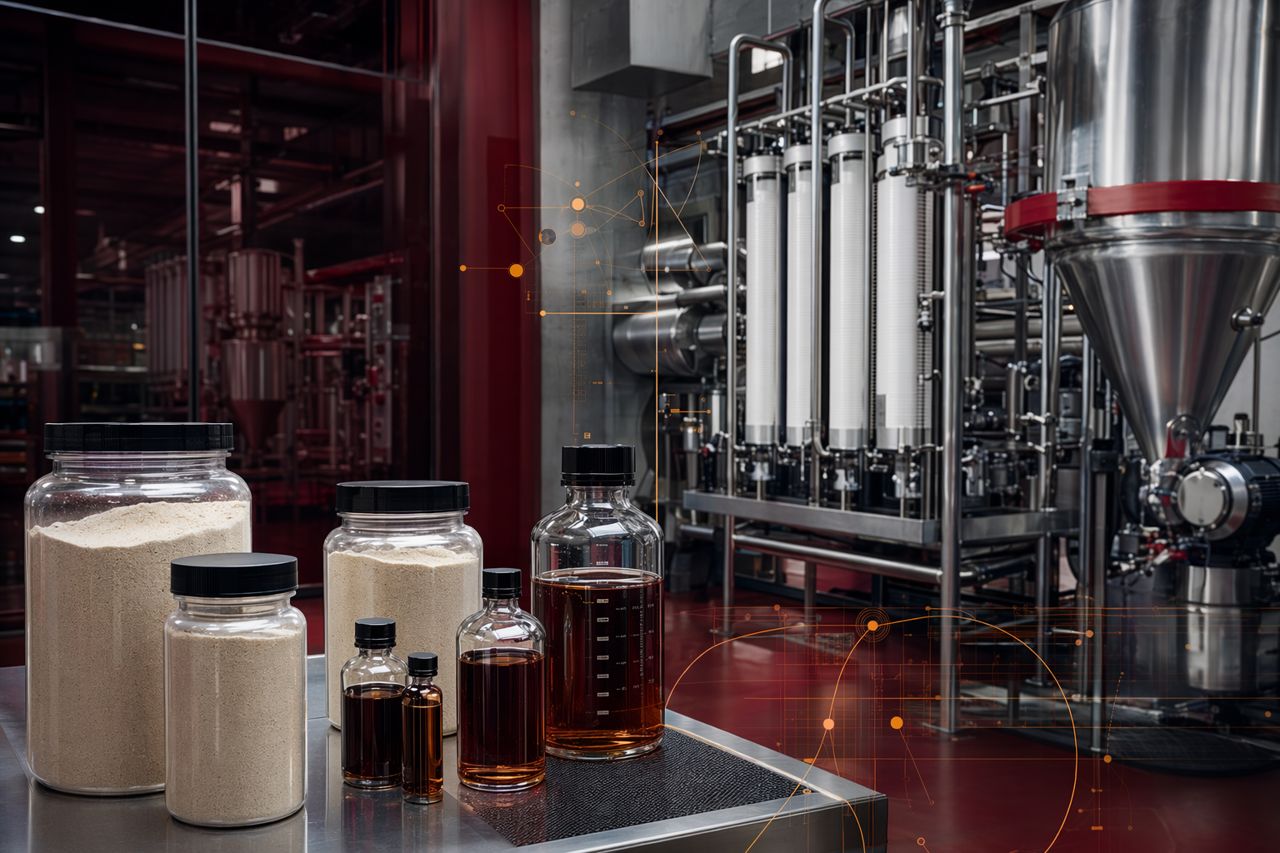
- Support for liquid, paste, powder, or slurry-based ingredient formats
- Better process definition for scale-up and repeat manufacturing
Application areas
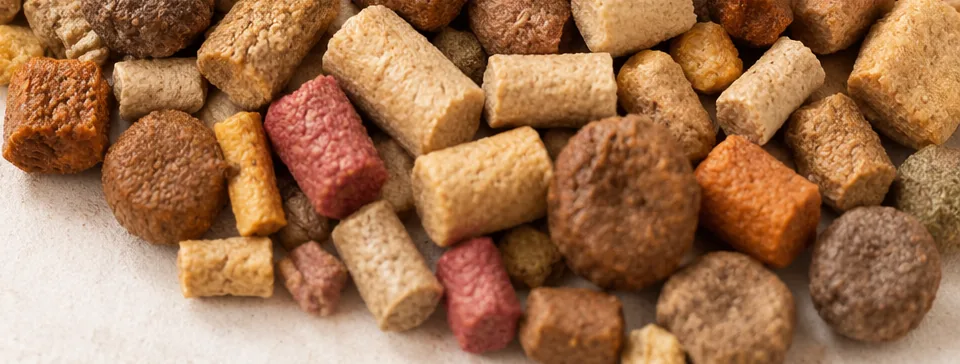
Pet food protein hydrolysates
Pepsin can support the production of hydrolyzed protein ingredients for wet food, dry kibble coating systems, treats, and specialty formulas. In these applications, process teams often focus on peptide profile, solubility, aroma impact, and compatibility with downstream drying or coating operations.
Aquafeed attractant and nutrition ingredients
Marine and animal protein hydrolysates are widely evaluated in aquafeed systems. Pepsin can be used in controlled acidic hydrolysis to help convert approved protein streams into ingredients with defined solubility and handling behavior for inclusion in liquid applications, powders, or feed-coating systems.
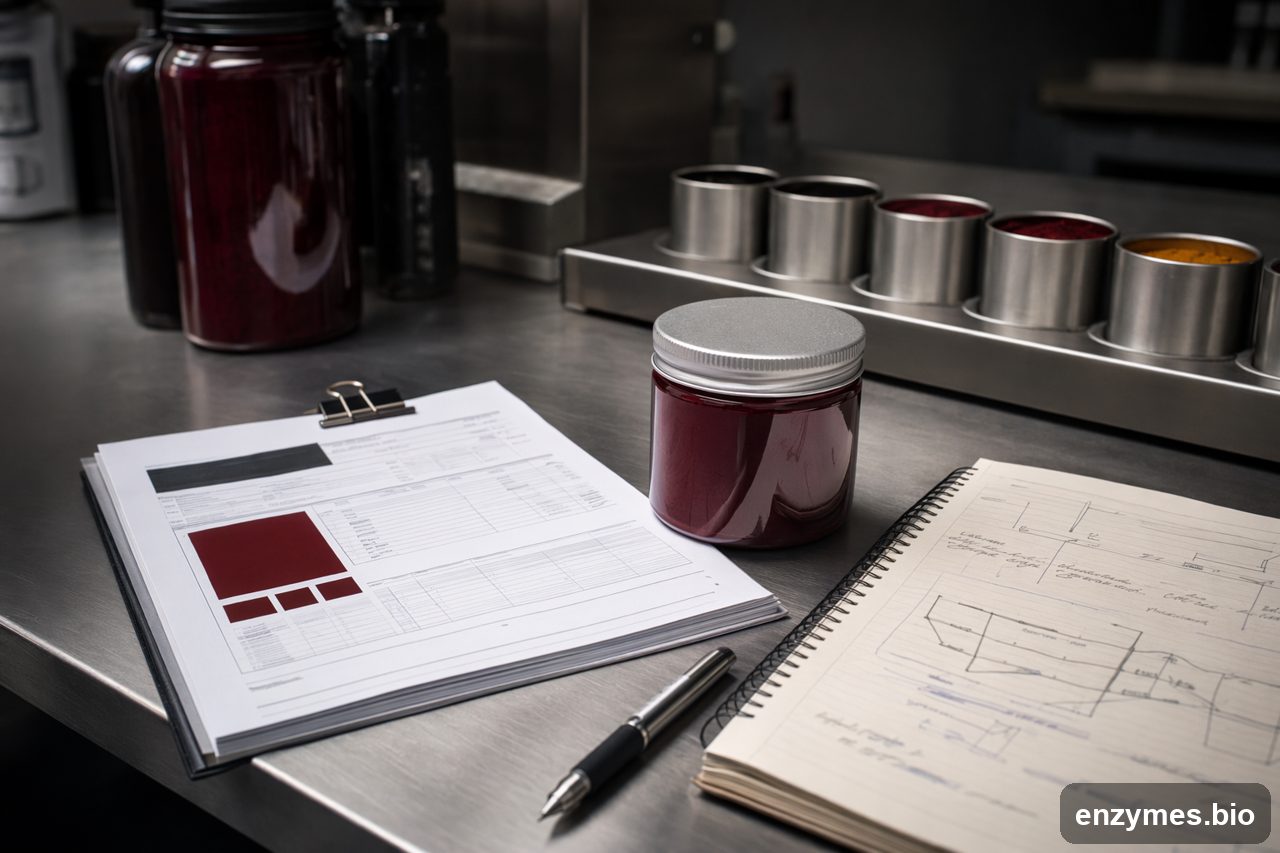
By-product valorization
Protein-rich side streams can be difficult to standardize. A pepsin hydrolysis step can help manufacturers convert selected raw materials into higher-function ingredient streams while improving predictability before filtration, evaporation, or drying.
Specialty feed and premix development
For manufacturers building differentiated nutrition platforms, pepsin offers a practical tool for creating peptide-rich ingredients that can be evaluated across species, feed formats, and processing routes.
Process fit: controlled acidity, defined endpoint
Pepsin is typically evaluated in processes where protein raw material is conditioned into an acidic range before enzyme addition. From there, the process window is shaped by substrate type, solids level, mixing, thermal profile, and the desired degree of conversion. The reaction is then stopped through pH and/or heat management before downstream processing.
A well-designed pepsin step can help control:
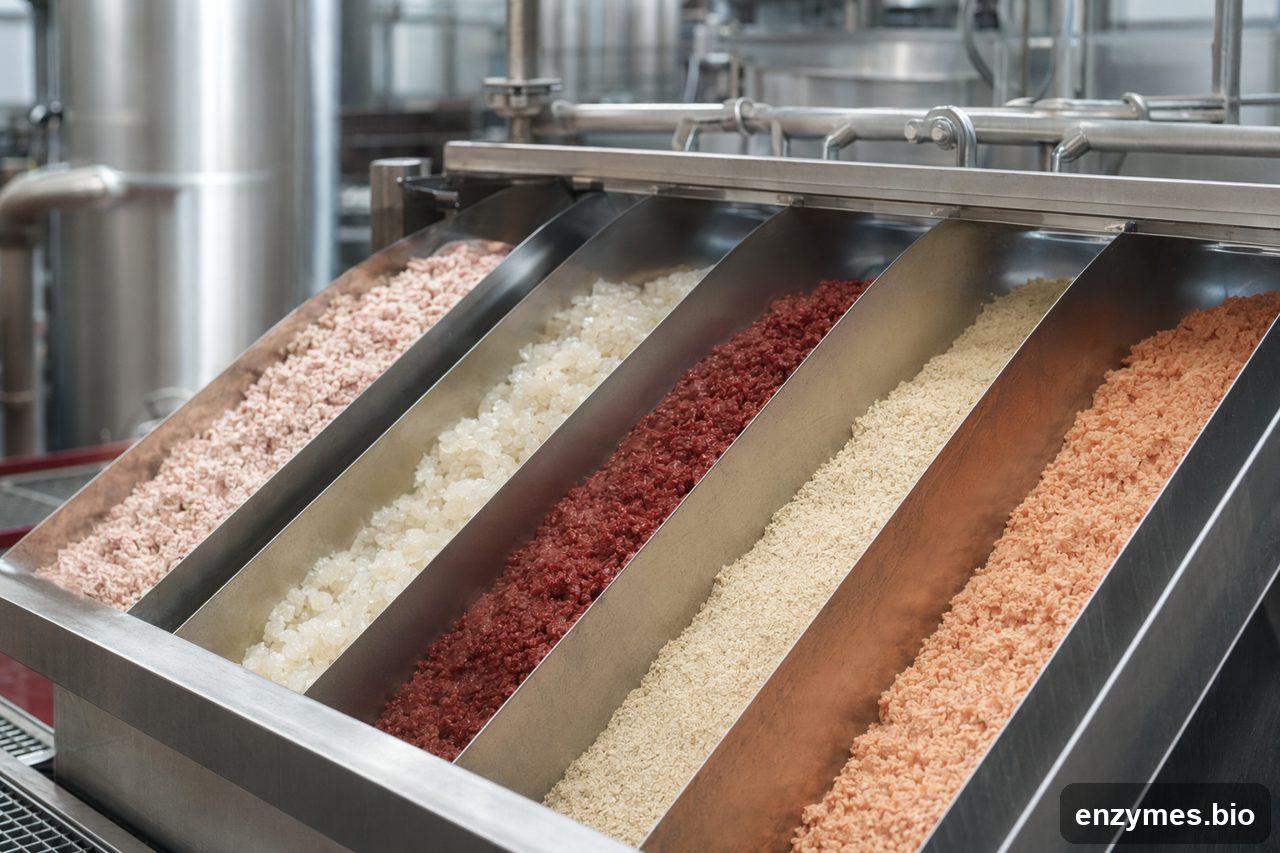
- Hydrolysate viscosity
- Solubility and dispersibility
- Peptide-size distribution
- Sensory impact and bitterness risk
- Filterability and separation behavior
- Consistency between production batches
Pepsin Enzyme Solutions does not position pepsin as a one-variable additive. It is a process tool. The best results come from aligning enzyme selection with raw material, target endpoint, equipment constraints, and final ingredient format.
Raw material considerations
Pepsin is relevant for many approved animal nutrition protein streams, including poultry, porcine, bovine, marine, egg-derived, and mixed-process materials where permitted by the buyer's regulatory and sourcing requirements. Performance depends on substrate composition, pre-treatment history, fat level, ash/mineral content, and prior thermal damage.
For procurement and technical review, Pepsin Enzyme Solutions can discuss:
- Enzyme format and handling requirements
- Application-relevant specification alignment
- Documentation expectations for feed and ingredient programs
- Sampling plans for lab or pilot evaluation
- Scale-up considerations from trial to production
- Packaging and supply planning for recurring manufacture
What to define before requesting a sample
A short technical brief helps us recommend the right commercial path. Useful details include:
- Protein raw material and pre-treatment history
- Target finished format: liquid, paste, powder, coating, or premix
- Desired hydrolysis outcome and sensory constraints
- Operating pH range, temperature range, and batch time expectation
- Downstream steps: neutralization, filtration, evaporation, spray drying, blending, or coating
- Required documentation for your market, species, and customer base
Built for industrial evaluation
Pepsin is most valuable when tested against a measurable ingredient target. Pepsin Enzyme Solutions supports B2B teams with practical sampling conversations, specification review, and pricing aligned to commercial production rather than one-off experimentation.
If your team is developing animal nutrition protein hydrolysates, we can help you define a pepsin supply route that fits your formulation, process, and procurement requirements.
Request a wholesale quote
We supply pepsin for pet-food, aquafeed and feed-ingredient protein hydrolysates in bulk to manufacturers, distributors and resellers, on a quote-only basis. To get a recommendation and a price, send: the product or application, the quantity (trial lot, monthly or annual), the destination country, and the process step where the pepsin will be used. Format and pack size are quoted per order; tell us your preference if you have one.