Pepsin for meat protein modification
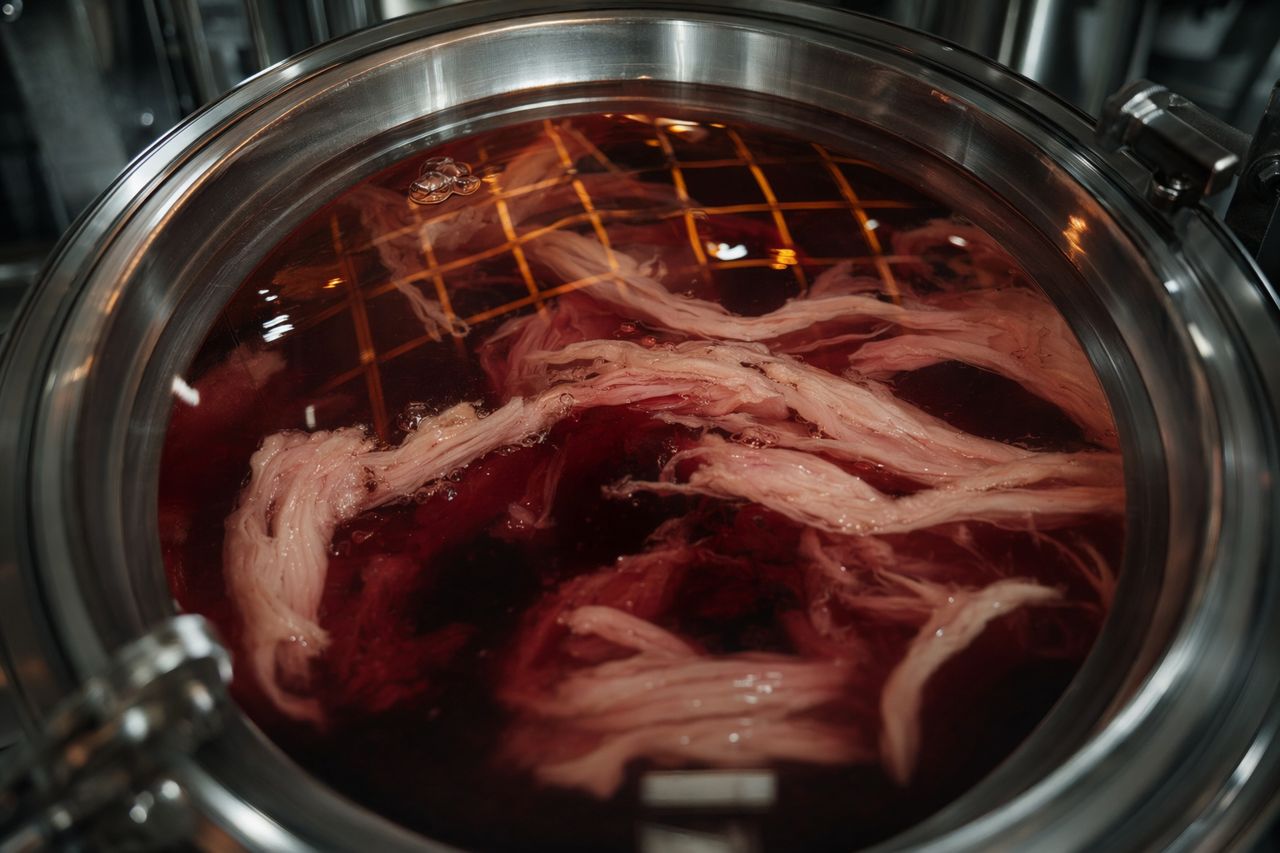
Pepsin is a low-pH protease for manufacturers that need controlled cleavage of animal proteins without moving the process into neutral or alkaline conditions. In meat and animal-protein processing, it supports peptide generation, hydrolysate development, tenderization-adjacent R&D, flavor precursor creation, and value recovery from trim or collagen-rich streams.
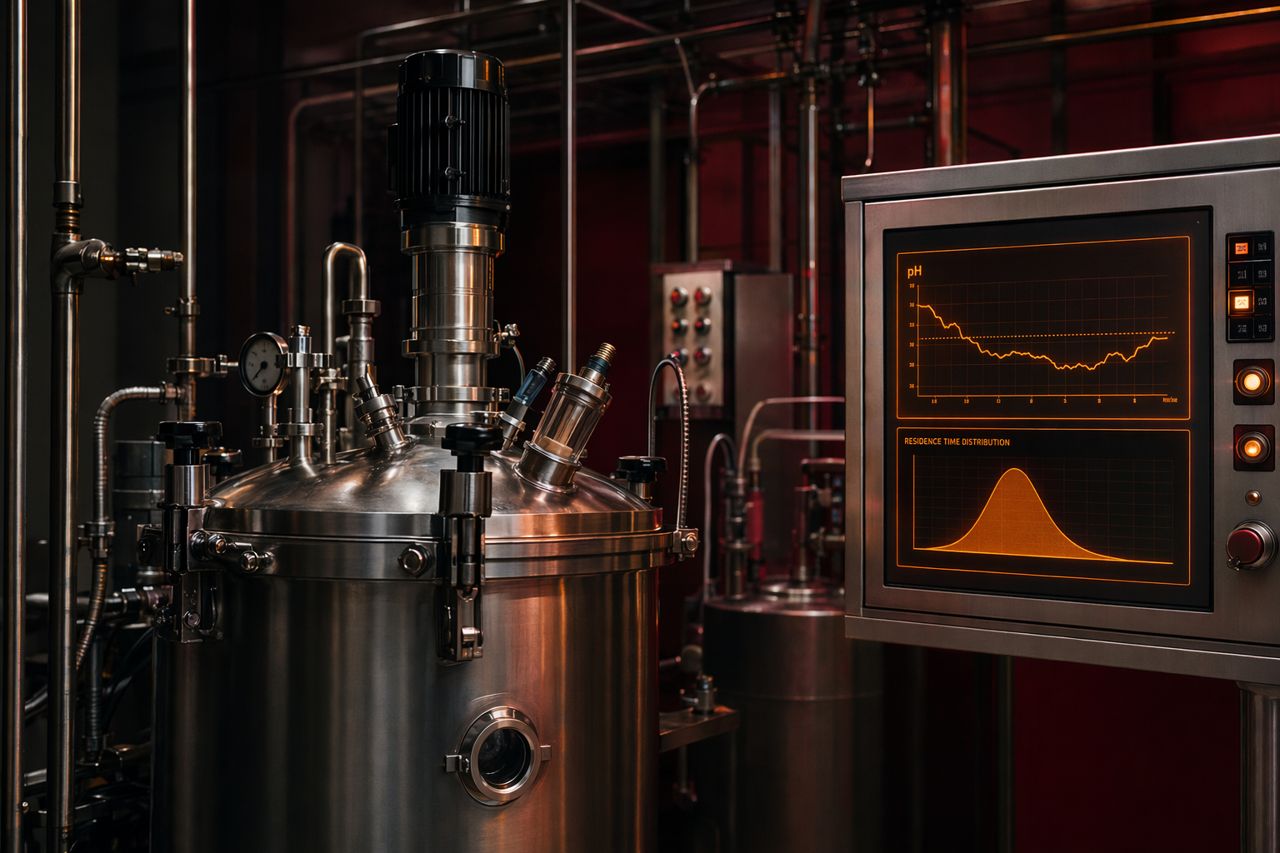
This is not a broad, blunt protease. Pepsin works where acidity is part of the process design: controlled pH, defined residence time, heat-managed handling, and downstream separation matched to the target ingredient profile. Pepsin Enzyme Solutions supplies it in bulk to meat-ingredient, flavor and hydrolysate manufacturers, distributors and resellers.
Buying for a plant or for resale? Pepsin for meat-protein processing is quoted per order; send the substrate, quantity and destination. Request a quote.

Where pepsin fits in the process
Pepsin is selected when the process benefits from acidic proteolysis rather than neutral protease treatment. Typical development targets include:
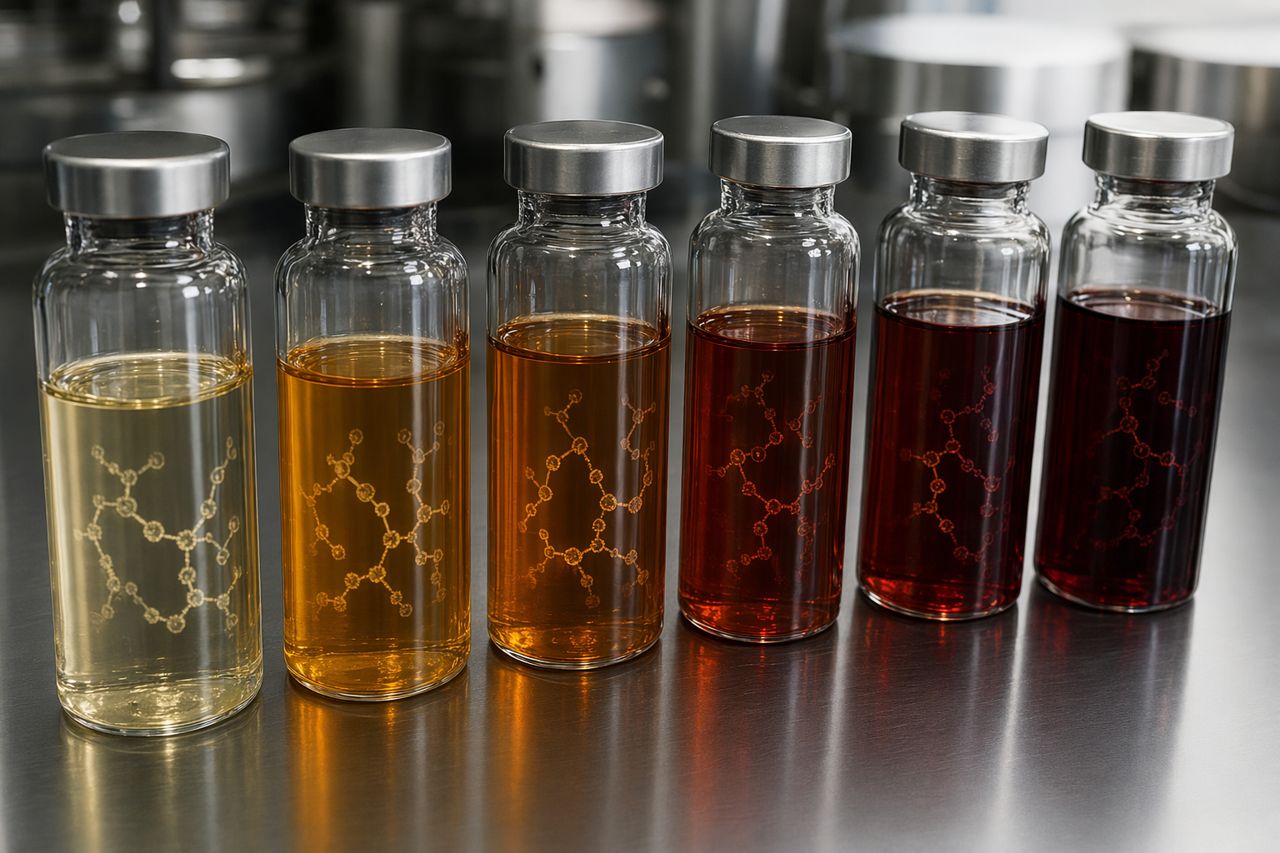
- Animal protein hydrolysates with defined peptide distribution
- Flavor-building peptide fractions for savory systems
- Modification of meat, collagen-rich, or connective-tissue-containing substrates
- Texture and tenderness development trials under acidic conditions
- Solubility improvement for protein ingredients in low-pH formulations
- Value-added conversion of meat processing side streams
- Pre-treatment before filtration, concentration, drying, or further enzymatic processing
Why acidic control matters
Meat protein systems are sensitive. pH, ionic strength, temperature, fat content, and particle size all influence the cleavage profile. Pepsin gives formulation scientists and process engineers a way to work inside acidic process windows where substrate swelling, microbial control strategies, flavor development, and protein breakdown can be coordinated.
The result is a more deliberate protein modification step: less guesswork, tighter process logic, and a clearer path from bench trials to production parameters.
Practical performance objectives
Pepsin is commonly evaluated for outcomes such as:
Peptide generation
Controlled hydrolysis can produce smaller peptide fractions for downstream ingredient development. The objective may be flavor, solubility, emulsification support, nutritional positioning, or improved handling of difficult protein streams.
Tenderization-adjacent development
For meat systems, pepsin may be assessed in acid-marination or pre-treatment concepts where the goal is protein modification without uncontrolled texture loss. For a plant protease applied in marinades, tumbling, and injection, see this page on using bromelain powder. Process discipline is essential: substrate geometry, contact time, pH, and temperature must be aligned.
Side-stream valorization
Trim, connective tissue, mechanically recovered fractions, and other underutilized protein streams can become higher-value inputs when converted into soluble or semi-soluble protein ingredients.
Low-pH ingredient compatibility
Because pepsin performs under acidic conditions, it can be useful where the final or intermediate product remains in a low-pH environment, reducing the need for aggressive pH swings that may affect color, flavor, or functionality.

Substrate considerations
Pepsin performance depends on the substrate and its pre-processing history. Important variables include:
- Species and tissue source
- Lean-to-fat ratio
- Collagen and connective tissue content
- Particle size or grind specification
- Salt level and buffering capacity
- Prior heat exposure
- Target solids level
- Desired peptide profile and sensory boundary
For complex animal substrates, bench screening should focus on the finished commercial objective rather than a generic hydrolysis endpoint.
Process design notes
A successful pepsin process is built around control points:
- Define the target function: flavor, solubility, texture, filtration, or yield recovery.
- Prepare the substrate consistently, especially particle size and solids loading.
- Set the acidic process window before enzyme addition.
- Control contact time and temperature to prevent over-hydrolysis.
- Stop or redirect the reaction using heat, pH shift, separation, or the next process stage.
- Validate output by peptide distribution, sensory profile, yield, viscosity, and downstream behavior.
Pepsin is especially useful when the process needs selective modification rather than complete breakdown. Over-processing can create bitterness, weak texture, excess soluble nitrogen, or filtration challenges. The right operating window is narrow by design.
What procurement teams should specify
For reliable sourcing and comparable trials, buyers should define:
- Intended substrate and process stage
- Target pH and temperature range
- Liquid, powder, or custom handling preference
- Food, feed, or technical application category
- Packaging size and storage requirements
- Trial volume, scale-up plan, and forecast demand
- Documentation requirements for the destination market
Pepsin Enzyme Solutions supplies pepsin for industrial formulation and process development. We support qualification discussions around application fit, batch planning, documentation, and packaging format.
Technical fit checklist
Pepsin may be a strong fit if your process requires:
- Proteolysis under low-pH conditions
- Modification of animal-derived protein substrates
- Peptide generation without alkaline treatment
- A controlled reaction window for R&D scale-up
- Compatibility with acidic marinades, hydrolysis systems, or pre-treatment steps
- A supplier conversation focused on industrial use, not consumer claims
It may not be the first choice if your process runs at neutral pH, requires broad-spectrum protein breakdown at elevated pH, or depends on maximum hydrolysis speed over controlled specificity.
Request a wholesale quote
We supply pepsin for meat-protein modification, peptide and flavor-precursor production and trim or collagen-rich side streams in bulk to manufacturers, distributors and resellers, on a quote-only basis. To get a recommendation and a price, send: the product or application, the quantity (trial lot, monthly or annual), the destination country, and the process step where the pepsin will be used. Format and pack size are quoted per order; tell us your preference if you have one.