Pepsin for Controlled Protein Fragmentation
Pepsin is an acid-active protease used when protein cleavage needs to happen in a deliberately low-pH process window. For formulation scientists, process engineers, and sourcing teams, the value is straightforward: controlled fragmentation, predictable acid-phase behavior, and a clean fit into workflows where neutral proteases are not the right tool.
Pepsin Enzyme Solutions supplies Pepsin (Aspartic Endopeptidase) for industrial research, bioprocess development, and specialty protein processing applications that require targeted reduction of protein size, modification of functional properties, or preparation of protein fractions for downstream work.
Why pepsin in fragmentation workflows
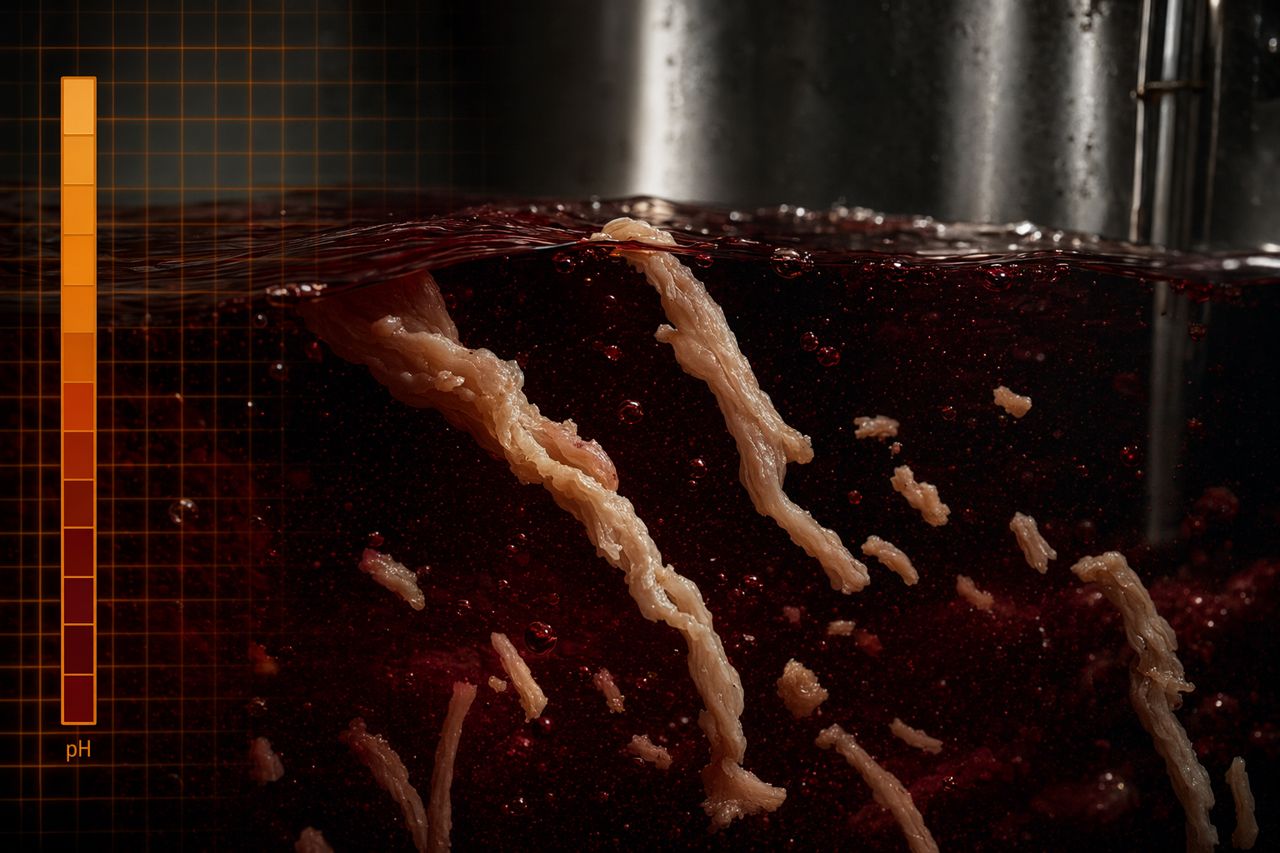
Pepsin performs in acidic conditions where many proteases lose relevance. That makes it useful for processes built around controlled acidification, pre-digestion, protein modification, or defined fragmentation prior to separation, drying, blending, or analytical development.
Key advantages include:
- Low-pH activity profile for acid-stage protein processing
- Endopeptidase cleavage behavior suited to internal protein fragmentation
- Process-tunable outcomes through pH, temperature, time, and enzyme-to-substrate ratio
- Compatibility with controlled batch workflows in development and scaled processing environments
- Useful fragmentation of animal, dairy, marine, and specialty protein substrates depending on project requirements
Application fit
Pepsin is typically evaluated where the process target is not complete destruction of protein structure, but controlled reduction into smaller fragments with defined functional or analytical intent.
Common B2B use cases include:

- Industrial protein hydrolysis research
- Specialty peptide and protein fraction development
- Controlled pre-treatment of collagen-rich or connective-tissue proteins
- Acid-phase modification of dairy, egg, marine, or animal-derived proteins
- Bioprocess development studies requiring reproducible fragmentation behavior
- Preparation of protein substrates for downstream filtration, separation, or drying trials
Process logic: acid first, control always
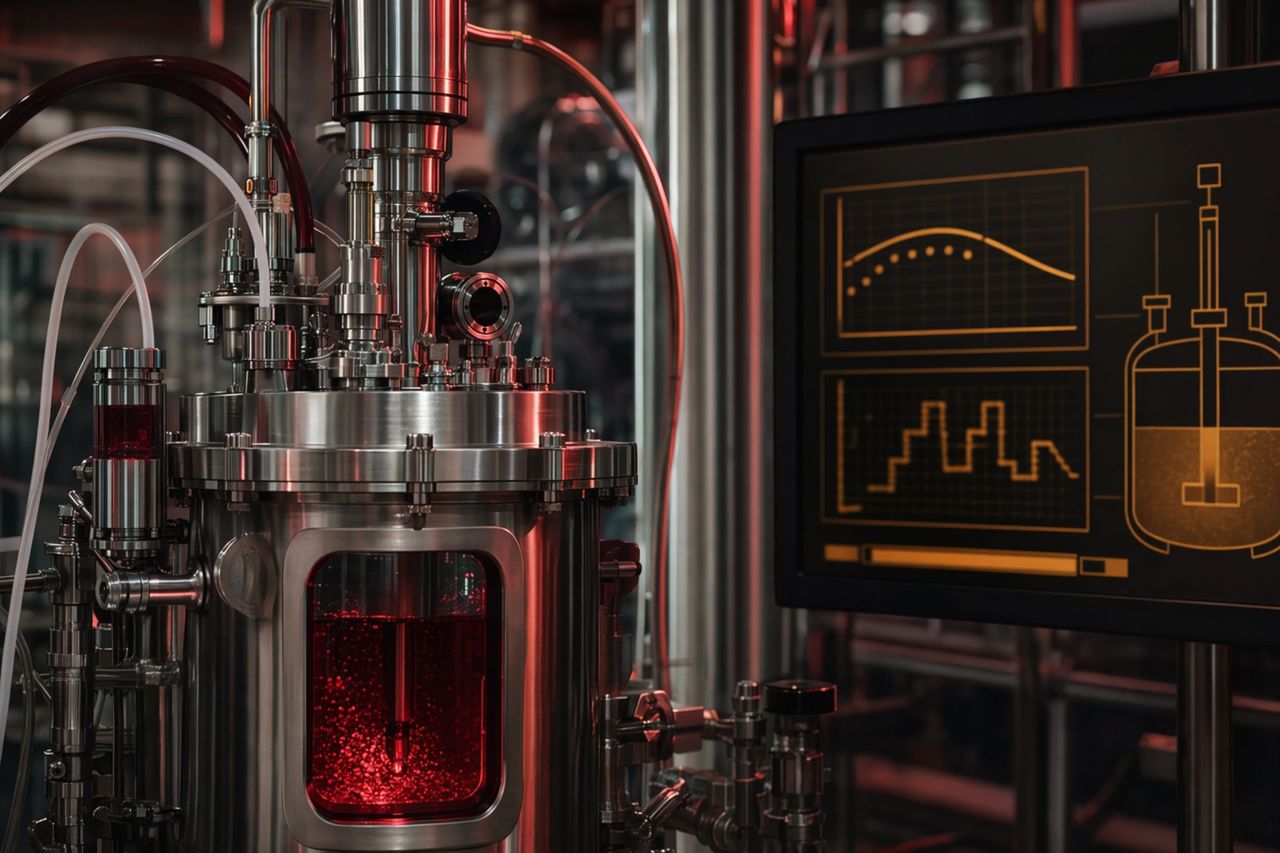
Pepsin should be selected as part of the process architecture, not dropped into a formulation at the end. Fragmentation outcome depends on substrate type, acidification strategy, residence time, thermal profile, and how the enzyme is inactivated or separated after the target endpoint is reached.
A typical development workflow considers:
- Substrate mapping — protein source, denaturation state, solids load, and prior processing history.
- Acidification profile — how quickly the system reaches the intended acidic window and how tightly it is held.
- Contact time — short exposure for partial fragmentation, longer exposure for deeper hydrolysis.
- Thermal control — balancing enzyme performance, substrate stability, and process practicality.
- Endpoint handling — inactivation, neutralization, separation, drying, or continuation into the next process step.
This is where pepsin earns its place: controlled acidity becomes a process lever, not a constraint.
What buyers should specify
To quote accurately and recommend the right material grade, Pepsin Enzyme Solutions will typically ask for:

- Target application and substrate type
- Development, pilot, or production stage
- Desired physical format
- Required documentation package
- Target region for use or import
- Approximate order volume and delivery cadence
- Any limitations on carrier, origin, or processing aids
We do not publish trader-confidential activity figures or assay methods on public application pages. Specification details are handled directly with qualified B2B buyers.
Supply and documentation
Pepsin Enzyme Solutions supports procurement and technical teams with industrially relevant supply discussions, including material format, batch documentation, lead time, packaging, and compliance documentation appropriate to the intended market.
Available support may include:
- Product specification review
- Safety and handling documentation
- Batch and lot documentation discussion
- Packaging and storage guidance
- Procurement planning for recurring supply
- Technical discussion for process-development teams
When to evaluate pepsin
Pepsin is a strong candidate when your process requires protein fragmentation under controlled acidic conditions, particularly when the substrate is resistant, collagen-rich, highly structured, or intentionally processed in an acid phase.
It may not be the right fit if your workflow requires neutral-pH proteolysis, broad nonspecific breakdown without acid control, or a final formulation where residual protease activity is not acceptable without a validated inactivation step.
Request pricing
Tell us the substrate, process stage, target format, and documentation requirements. Pepsin Enzyme Solutions will respond with pricing, availability, and the next technical questions needed to qualify the material.