Pepsin for Fish and Marine Protein Hydrolysis
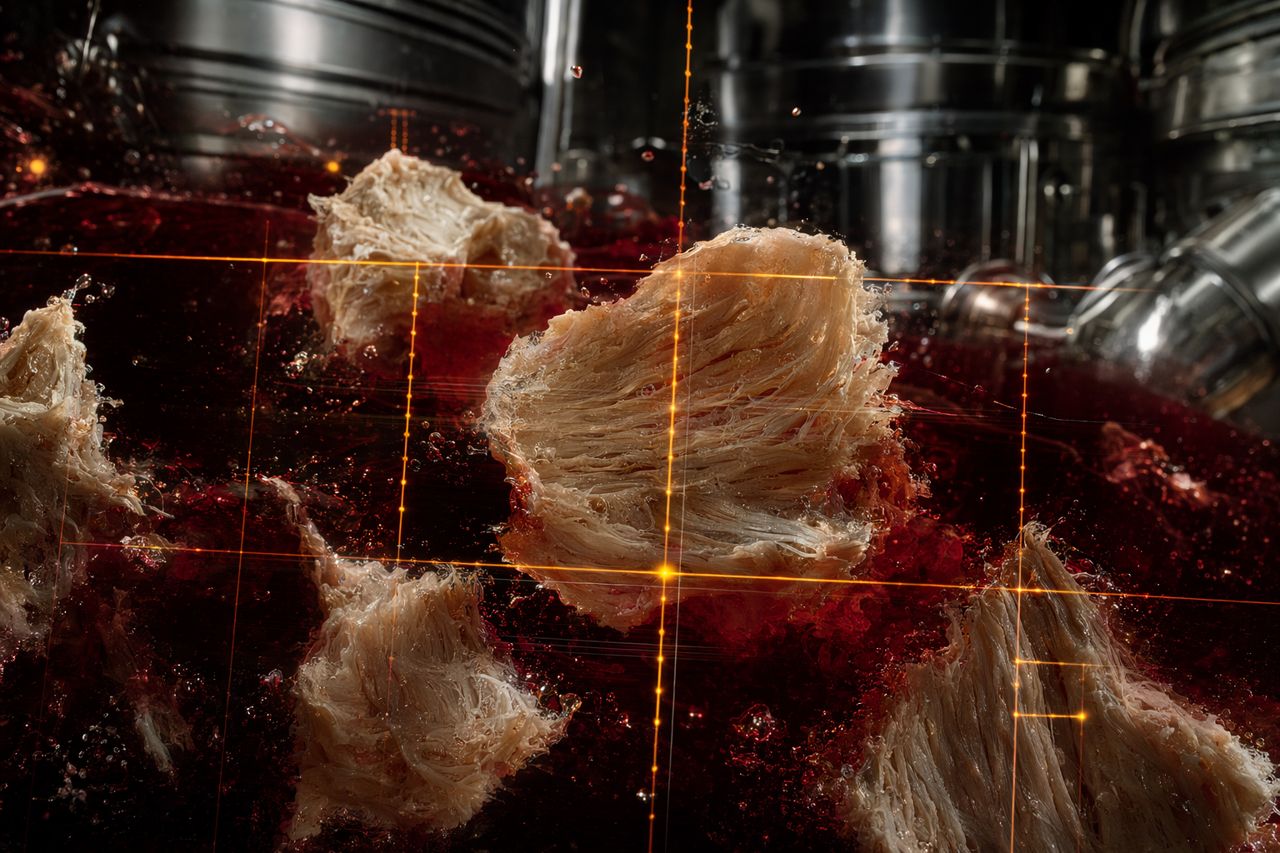
Fish frames, skins, trimmings, shellfish residues, and marine processing side streams can carry valuable protein that is difficult to recover cleanly. Pepsin (Aspartic Endopeptidase) gives processors a controlled, acid-phase route to convert those materials into soluble hydrolysates for food, feed, flavor, and specialty ingredient programs.
Pepsin Enzyme Solutions supplies pepsin in bulk to seafood processors, fish-protein hydrolysate and marine-ingredient manufacturers, distributors and resellers, for protein processing where low-pH control, predictable cleavage behavior, and batch-to-batch sourcing discipline matter.
Buying for a plant or for resale? Pepsin for marine protein streams is quoted per order; send the raw material, quantity and destination. Request a quote.
Why pepsin fits marine protein streams
Marine raw materials can be variable: collagen-rich skin, myofibrillar fish muscle, shellfish proteins, viscera-adjacent fractions, or blended byproducts. Pepsin is useful where processors want targeted protein breakdown under acidic conditions rather than broad alkaline hydrolysis.
Key fit points:
- Low-pH processing compatibility for acid-conditioned fish and shellfish substrates
- Selective endopeptidase action for controlled peptide profile development
- Useful solubilization support for collagen-containing and connective marine tissues
- Process integration potential in batch, stirred-tank, or staged hydrolysis workflows
- Cleaner downstream handling when hydrolysis is controlled before separation, concentration, or drying
Industrial outcomes
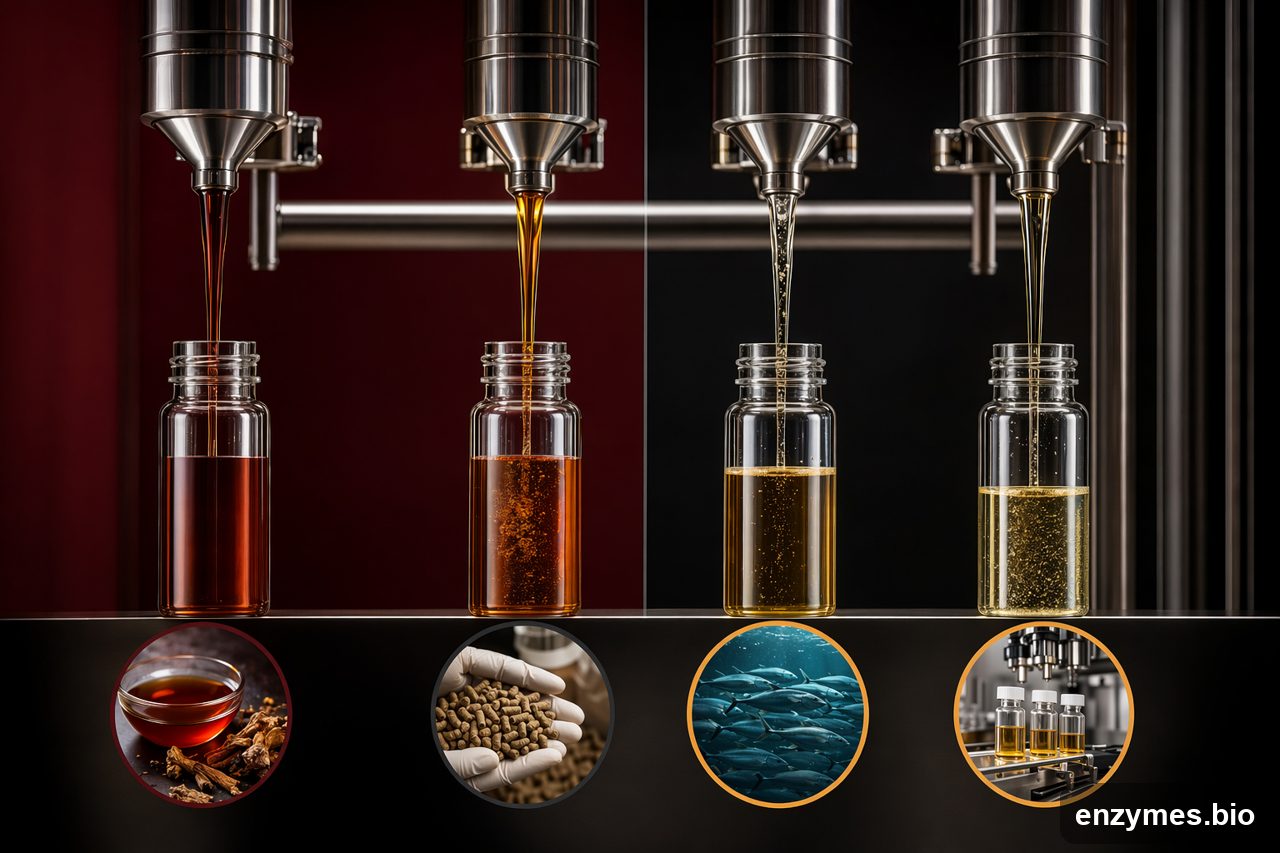
Pepsin can support the production of marine protein hydrolysates designed for:
- Savory seafood flavor bases
- Protein hydrolysate powders and concentrates
- Feed palatability ingredients
- Aquaculture feed inputs
- Specialty peptide fractions
- Collagen-adjacent hydrolysate development
- Upcycled marine byproduct valorization
The enzyme is not the whole process. It is the control point that helps determine hydrolysis direction, peptide distribution, soluble yield, sensory load, filtration behavior, and drying performance.
Substrates commonly evaluated
Pepsin may be screened across a wide range of marine inputs, including:
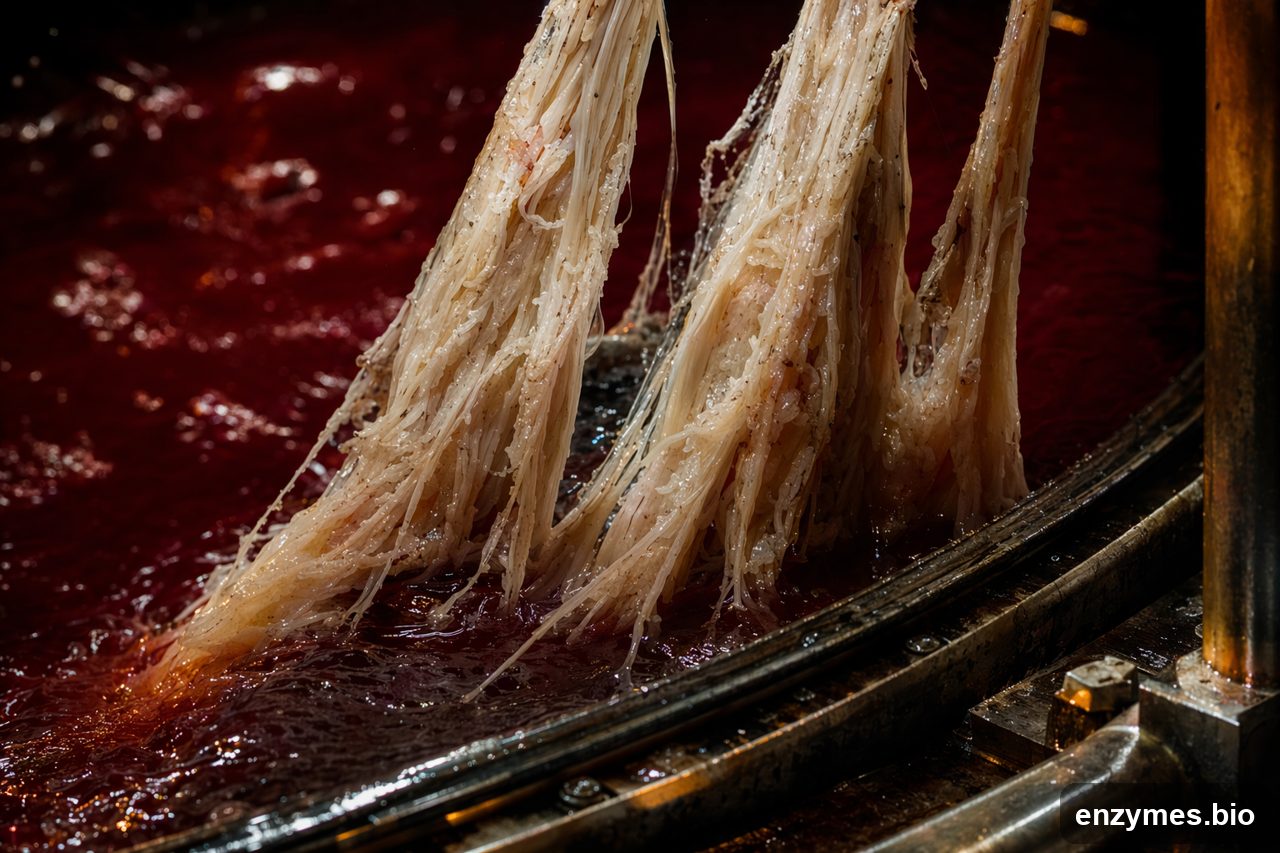
- Whitefish and pelagic fish trimmings
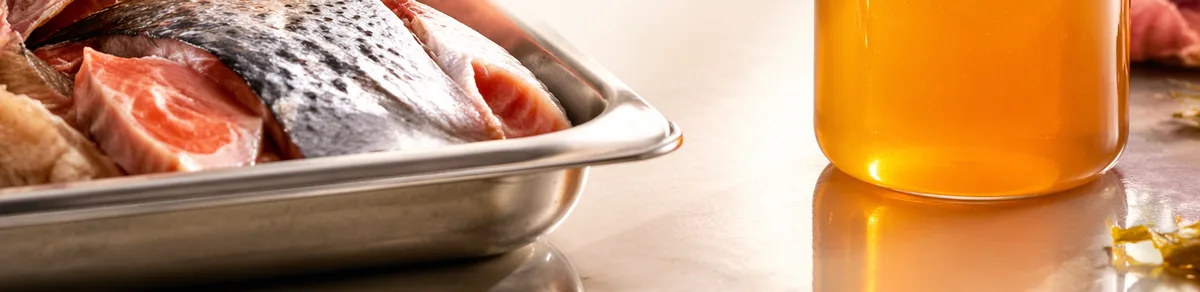
- Fish skins and frames
- Minced fish protein fractions
- Shrimp, crab, and shellfish processing residues
- Collagen-containing marine tissues
- Mixed byproduct streams after mechanical separation
- Acid-pretreated marine protein slurries
For blended or seasonal materials, we recommend pilot evaluation against the actual plant stream rather than relying on model substrates.
Process positioning
1. Acid conditioning
Pepsin performs in acidic process environments. Marine slurries are typically conditioned before enzyme addition so the protein matrix is accessible and the reaction environment is stable.
2. Enzymatic hydrolysis
The enzyme is introduced under controlled agitation and process temperature. Reaction time, acidity, solids loading, enzyme addition strategy, and raw material particle size all influence the final hydrolysate character.
3. Separation and polishing
Once the target hydrolysis window is reached, processors may use heat treatment, centrifugation, filtration, clarification, membrane processing, concentration, or drying depending on the end market.
4. Sensory and functional tuning
Marine hydrolysates can shift quickly in bitterness, aroma intensity, viscosity, and soluble nitrogen profile. Pepsin is often selected when formulators need controlled breakdown without losing all structure in the protein fraction.
Advantages for formulation and processing teams
Controlled acidic hydrolysis
Pepsin is a strong candidate when the process is already acid-oriented or when acidification improves raw material handling, microbial control strategy, or collagen exposure.
Marine byproduct value recovery
The enzyme can help convert lower-value side streams into higher-value liquid or dried ingredients, improving recovery from raw materials that would otherwise be downgraded.
Cleaner development path
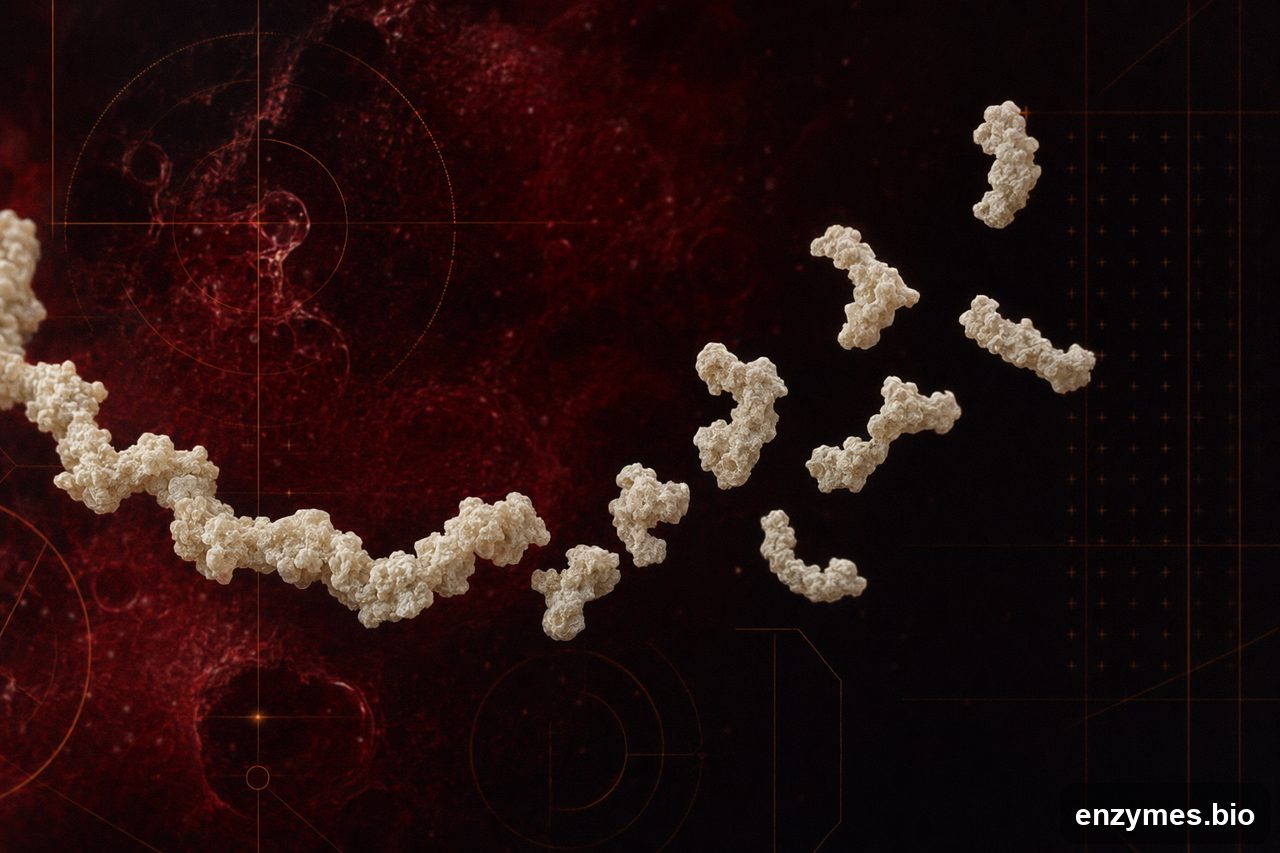
Because pepsin has defined specificity as an aspartic endopeptidase, development teams can build a more deliberate hydrolysis profile instead of relying only on aggressive processing conditions.
Procurement discipline
Pepsin Enzyme Solutions supports commercial buyers with supply documentation, batch traceability, specification alignment, and packaging options appropriate for industrial ingredient manufacturing.
What to define before requesting pricing
To recommend the right supply format and quote basis, our team will ask for practical process information:
- Marine substrate type and source variability
- Intended end product: liquid hydrolysate, concentrate, powder, flavor base, feed ingredient, or specialty fraction
- Approximate batch size or monthly enzyme requirement
- Current process acidity range and temperature window
- Solids loading and agitation style
- Desired hydrolysis endpoint or functional target
- Downstream steps such as centrifugation, filtration, evaporation, spray drying, or membrane concentration
- Required documentation for food, feed, export, allergen, or quality programs
No proprietary formulation is required for an initial discussion. A process outline is enough to begin.
Supply and documentation
Available support may include:
- Industrial pepsin supply for pilot and commercial programs
- Lot documentation and certificate of analysis
- Specification alignment for buyer qualification
- Origin and compliance documentation as applicable
- Packaging discussion for plant handling requirements
- Procurement support for recurring demand planning
Application development notes
Pepsin is most effective when the upstream preparation is controlled. Particle size, raw material freshness, lipid level, bone or shell carryover, and acid addition method can materially affect hydrolysis behavior. For marine streams, pilot trials should evaluate not only soluble yield, but also aroma load, bitterness, filtration rate, color, ash impact, and drying stability.
If the goal is a neutral-tasting protein ingredient, pepsin may be one stage in a broader process. If the goal is a savory marine flavor system, pepsin can be used to develop desirable peptide and amino acid precursors before thermal or fermentation steps.
Request a wholesale quote
We supply pepsin for fish, shellfish and marine by-product hydrolysis in bulk to manufacturers, distributors and resellers, on a quote-only basis. To get a recommendation and a price, send: the product or application, the quantity (trial lot, monthly or annual), the destination country, and the process step where the pepsin will be used. Format and pack size are quoted per order; tell us your preference if you have one.