Pepsin in Collagen and Gelatin Workflows
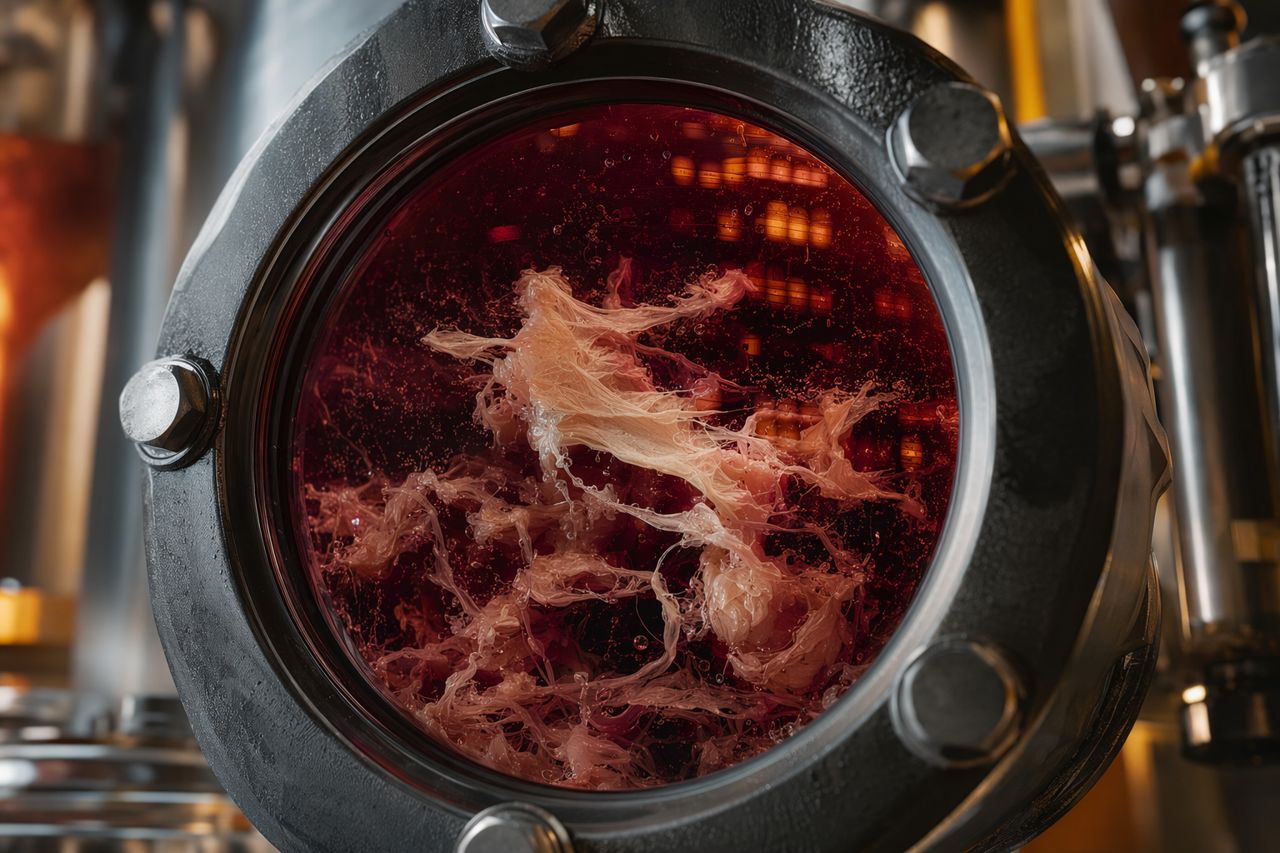
Pepsin is not a blunt protein cutter. In collagen and gelatin workflows, it is used when acidic processing is already part of the design and selective protein modification needs to happen without moving the entire system into neutral or alkaline conditions.
Pepsin Enzyme Solutions supplies Pepsin (Aspartic Endopeptidase) in bulk to collagen, gelatin and collagen-peptide manufacturers, distributors and resellers working with collagen-rich substrates, gelatin precursor streams, and acid-extraction processes that require controlled cleavage, practical documentation, and dependable supply.
Buying for a plant or for resale? Pepsin for collagen and gelatin work is quoted per order; send the raw material, quantity and destination. Request a quote.

Why pepsin fits collagen-related processing
Collagen is structured, fibrous, and resistant by design. The process challenge is not simply to “break protein down.” It is to modify the right protein regions enough to improve extraction or handling while preserving the functional profile required downstream.
Pepsin is useful in this space because it performs under strongly acidic conditions. For processors already using acid swelling, acid extraction, or low-pH conditioning, pepsin can be integrated without forcing a major pH detour.
Typical objectives include:
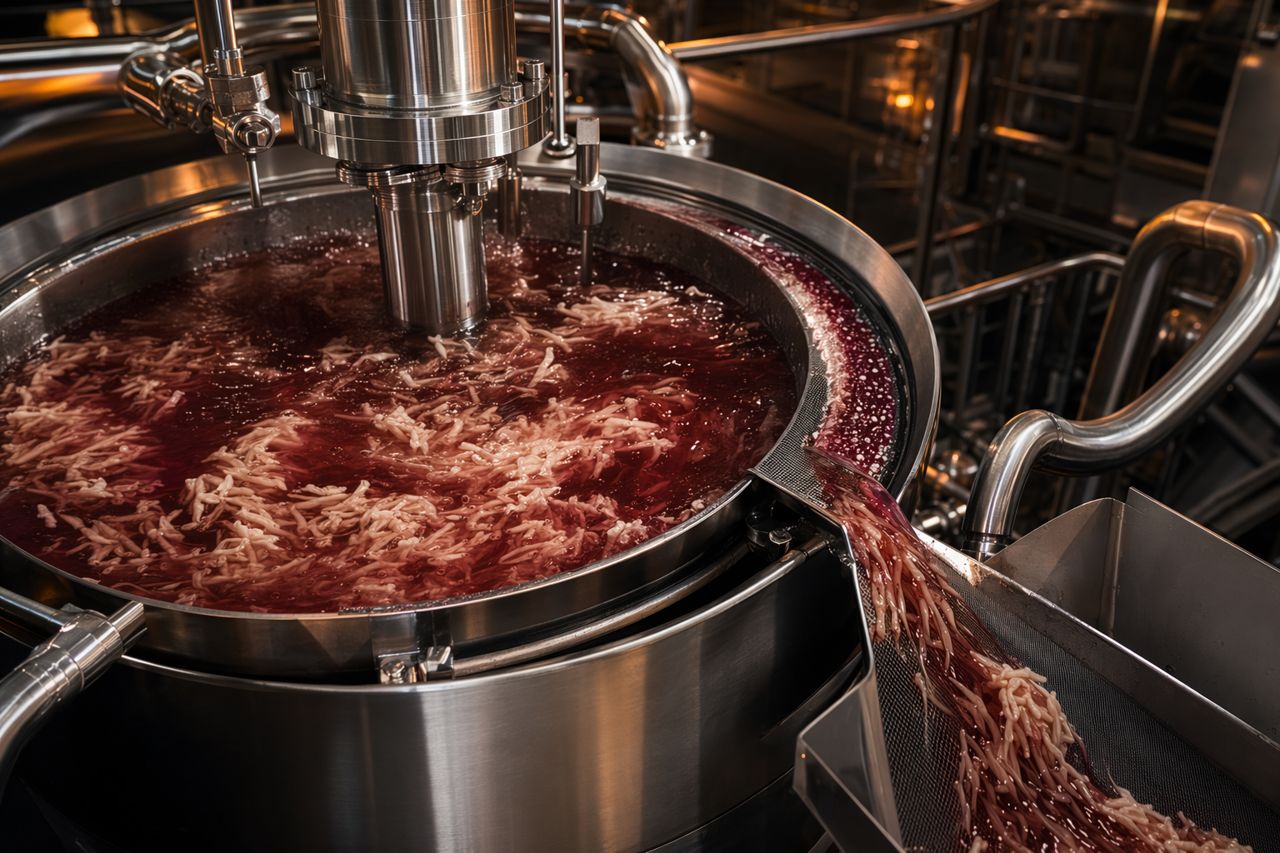
- Supporting acid extraction of collagen from prepared tissue or by-product streams
- Improving solubilization of collagen-rich matrices
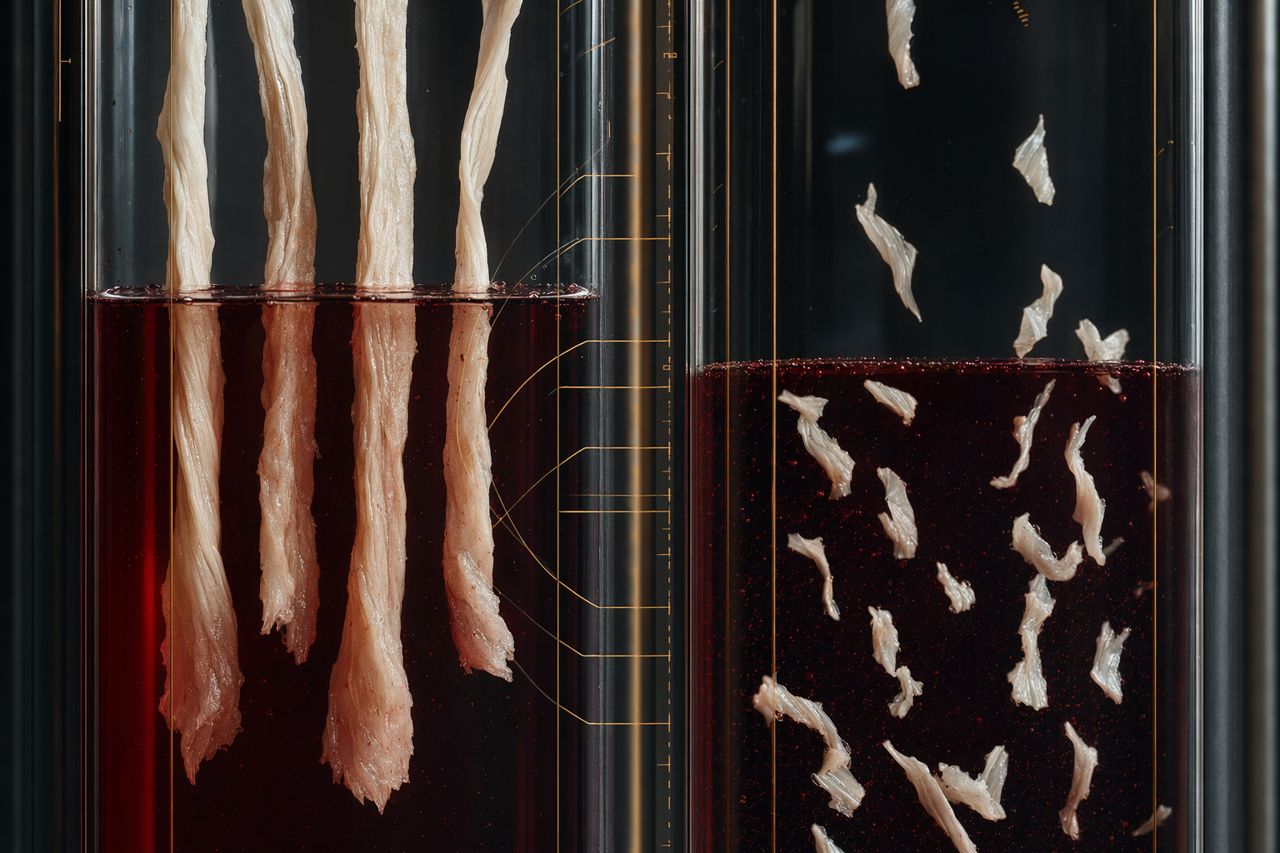
- Reducing viscosity or structural resistance before separation steps
- Helping tune protein size distribution before clarification or concentration
- Improving process flow where mechanical treatment alone is inefficient
- Supporting more consistent downstream handling before drying, blending, or further formulation
Where it is commonly evaluated
Pepsin is typically considered in workflows involving collagen-bearing raw materials such as hide, skin, scale, connective tissue, or other protein-rich industrial inputs. The exact value depends on pretreatment, substrate condition, acid profile, contact time, temperature, and the target specification of the final intermediate.

Collagen extraction
In acid collagen extraction, pepsin can help loosen structural constraints that limit yield or slow solubilization. The goal is controlled conversion, not uncontrolled hydrolysis. Process teams usually evaluate pepsin alongside acid concentration, raw material preparation, and separation strategy.
Gelatin precursor treatment
For gelatin-related operations, pepsin may be used before or during controlled protein modification where the target is improved processability, not loss of functional character. It can be evaluated where clarification load, handling behavior, or consistency between batches needs improvement.
Specialty protein intermediates
Some manufacturers use pepsin as part of a defined low-pH treatment step to produce collagen-derived intermediates with specific solubility, filtration, or blending behavior. Here, enzyme selection must align with both processing conditions and the intended downstream use.
Process variables that matter
Pepsin performance is shaped by the process environment. For reliable production, the enzyme should be treated as a controlled processing input, not an afterthought.
Key variables include:
- Substrate preparation: particle size, washing, defatting, mineral removal, and swelling all affect enzyme access.
- Acid profile: pepsin is built for low-pH systems, but the acid system still changes substrate behavior and process kinetics.
- Addition point: enzyme addition before full swelling, after conditioning, or during extraction can produce different outcomes.
- Contact time: longer treatment can increase modification, but it can also move the process beyond the desired profile.
- Temperature: thermal conditions influence both substrate structure and enzyme behavior.
- Mixing and mass transfer: collagen-rich slurries can be difficult to move; poor mixing often looks like poor enzyme performance.
- Stop condition: pH adjustment, heat treatment, separation, or dilution may be used depending on the process design.
Gelatin modification: tune, do not overrun
In gelatin production and modification, Pepsin may be used to influence protein size distribution, viscosity behavior, gel profile, and filtration characteristics. This is especially relevant when the starting material is variable or when a processor needs to move an existing gelatin stream toward a defined functional target.
Pepsin can support:
- Controlled reduction of high-molecular-weight fractions
- Adjustment of viscosity prior to concentration or drying
- Improved flow through clarification and filtration steps
- Better consistency when raw material seasonality affects extraction behavior
- Intermediate protein profiles for technical, food, capsule, photographic, or specialty applications, depending on regulatory fit
The risk is over-processing. Excessive exposure can flatten functional performance, reduce gel-forming behavior, or create a peptide distribution that no longer matches the product brief. Pepsin Enzyme Solutions frames Pepsin use around endpoint discipline: measure what matters, stop when the batch has moved enough, and keep the downstream specification in view.
Quality targets to define before trial work
Before selecting a Pepsin format or trial plan, align the internal team on the product outcome. Useful targets include:
- Soluble collagen recovery
- Residual insoluble solids
- Viscosity movement across the enzyme step
- Gel strength direction and final texture target
- Clarity, color, and odor profile
- Filtration or centrifugation performance
- Protein size distribution
- Ash, salt, and mineral behavior
- Drying performance and final powder handling
- Lot-to-lot reproducibility at production scale
This is where technical and procurement teams should work from the same brief. The lowest enzyme cost is not the best cost if it creates longer filtration time, wider batch variability, or downstream rework.
Raw materials Pepsin is commonly evaluated against
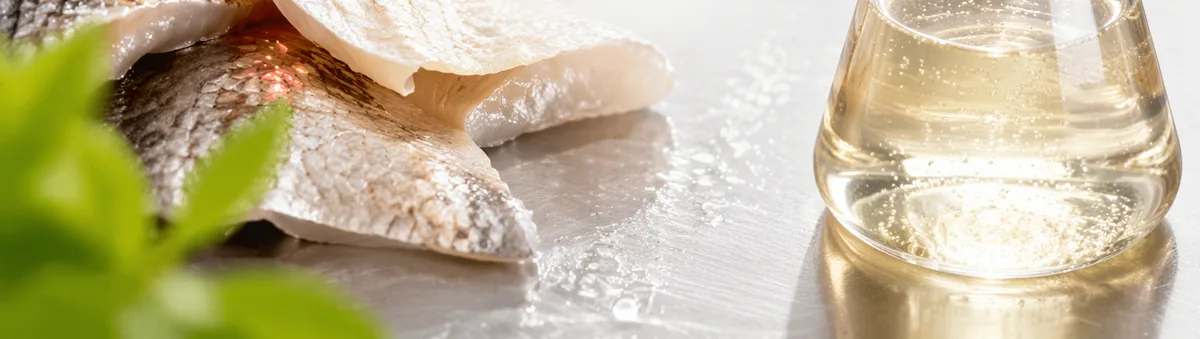
Pepsin may be evaluated in workflows using:
- Bovine hide splits and trimmings
- Porcine skin and connective tissue streams
- Fish skin, scale, and bone-adjacent materials
- Poultry connective tissue fractions
- Demineralized or pre-acidified collagen streams
- Gelatin intermediates requiring controlled modification
Each substrate behaves differently. Fish-derived substrates can respond quickly because of structure and particle geometry. Heavily crosslinked mammalian materials may require more conditioning before Pepsin can deliver useful movement. Mineral-rich inputs can change acid demand and complicate consistency.
What buyers should specify
For faster grade matching and pricing, prepare the following information before contacting Pepsin Enzyme Solutions:
- Raw material type and pretreatment status
- Target application: collagen extraction, gelatin precursor handling, specialty intermediate, or process aid
- Batch or continuous process format
- Approximate processing scale
- Acid system and operating pH range
- Temperature range and expected contact time
- Desired outcome: solubilization, extraction support, viscosity reduction, filtration improvement, or profile tuning
- Documentation requirements: technical data, safety data, allergen position, origin statement, regulatory support, or lot documentation
- Packaging preference and forecast volume
We do not need proprietary formulation details to begin. A practical process snapshot is enough to recommend the right direction.
Industrial outcomes, stated plainly
When pepsin is the right fit, processors usually care about measurable production behavior rather than enzyme theory. Relevant outcomes may include:
- More efficient extraction from collagen-rich inputs
- Better slurry handling under acidic conditions
- Reduced reliance on aggressive mechanical treatment
- Improved consistency before clarification or concentration
- More predictable downstream drying or blending behavior
- A cleaner fit with existing low-pH process architecture
Pepsin is not universal. It should be validated against your substrate and finished intermediate requirements. Pepsin Enzyme Solutions’ role is to help technical and procurement teams evaluate the enzyme with enough specificity to make a buying decision.
Supply approach
Pepsin Enzyme Solutions supports B2B buyers who need pepsin as a production input, not a vague catalog item. We can discuss grade selection, documentation, packaging, lead time, and volume planning for collagen and gelatin workflows.
For procurement teams, we provide clear commercial handling. For formulation scientists and process engineers, we focus on the process conditions that determine whether pepsin will perform as expected.
Request a wholesale quote
We supply pepsin for collagen extraction, gelatin modification and collagen-peptide production in bulk to manufacturers, distributors and resellers, on a quote-only basis. To get a recommendation and a price, send: the product or application, the quantity (trial lot, monthly or annual), the destination country, and the process step where the pepsin will be used. Format and pack size are quoted per order; tell us your preference if you have one.