Pepsin Enzyme Knowledge for Acidic Protein Processing
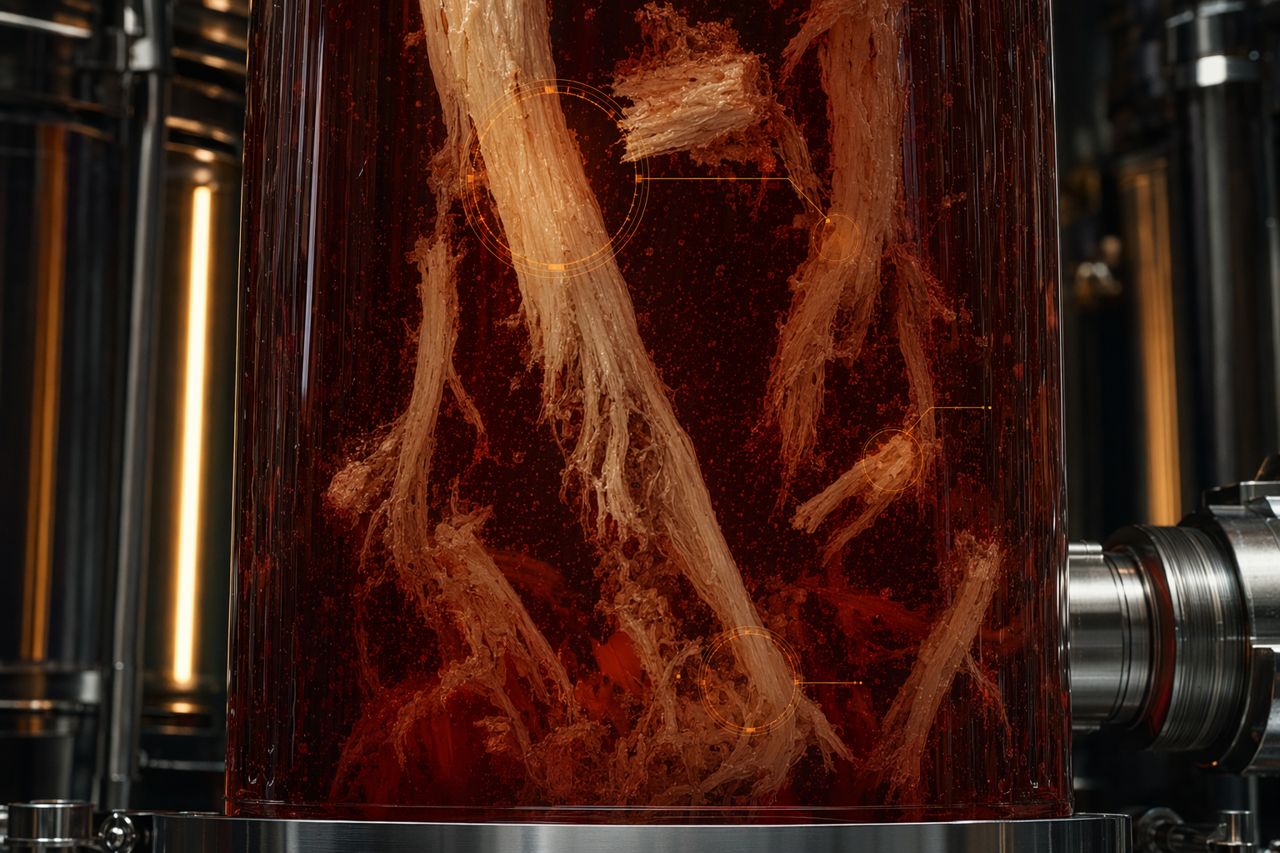
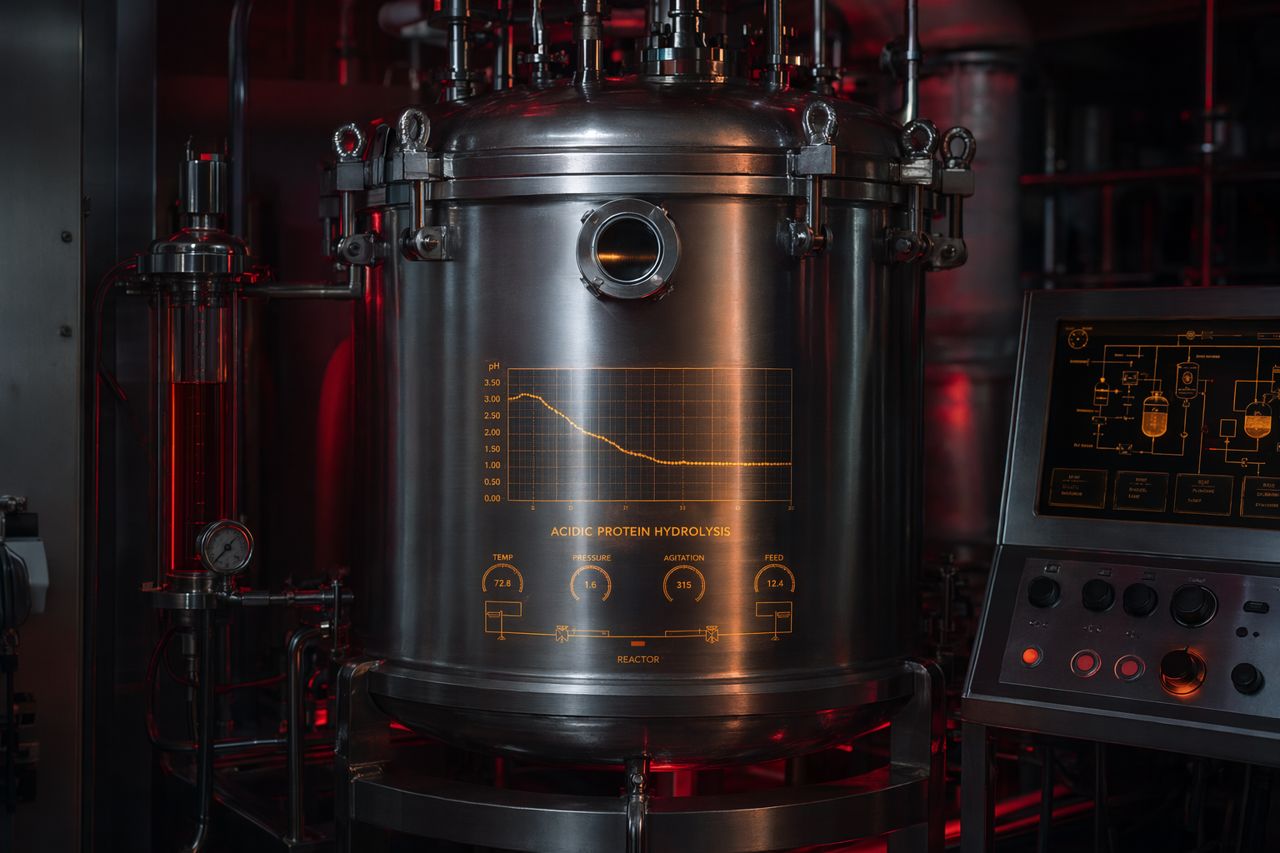
Pepsin is built for one thing: controlled protein cleavage in acidic systems. Mordant focuses on the industrial use of Pepsin (Aspartic Endopeptidase) where low-pH conditions are not a complication, but the operating advantage.
For formulation scientists, process engineers, and procurement teams, the value is practical: predictable hydrolysis behavior, cleaner process logic, and protein modification that fits acidic manufacturing environments.
Acid-Phase Protein Cleavage, Without the Noise
Pepsin performs best in acidic aqueous systems where many neutral proteases lose relevance. It preferentially cleaves peptide bonds near hydrophobic and aromatic amino acid residues, producing smaller protein fragments, altered solubility profiles, and controlled changes in viscosity, texture, or extractability.
This makes pepsin useful when your process already operates in a low-pH window, or when acidification is part of the desired protein transformation strategy.
Where Pepsin Fits Industrially
Pepsin is commonly evaluated for B2B protein processing applications such as:
- Protein hydrolysate production for food, feed, flavor, and technical formulations
- Collagen and gelatin modification where acid-phase cleavage supports downstream handling
- Dairy protein adjustment, including casein-rich systems under controlled acidity
- Seafood, meat, and by-product valorization where extractability and solubility matter
- Research and pilot-scale protein fractionation before process scale-up
- Specialty formulations requiring targeted protein size reduction in acidic media
Process Variables That Matter
Pepsin performance is shaped by the process environment, not just the enzyme addition step. Key parameters typically include:
- pH profile: pepsin is selected for acidic operation; drifting toward neutral conditions reduces process relevance
- Substrate type: collagen, casein, muscle proteins, and mixed protein streams respond differently
- Hold time: longer exposure generally increases hydrolysis depth, depending on substrate accessibility
- Temperature profile: controlled warmth can support reaction progress, while excessive heat can compromise enzyme function
- Mixing and hydration: uniform contact prevents local over-processing or under-processing
- Termination strategy: pH shift, heat treatment, or downstream separation may be used to stop the reaction
The best process is not the most aggressive one. It is the one that gives the target molecular profile consistently.
What Buyers Should Specify
When sourcing pepsin for industrial use, procurement should move beyond generic descriptions. A useful specification package may include:
- Enzyme proper name and intended industrial application
- Physical form preference: powder, granular, or liquid, where available
- Source and origin documentation requirements
- Food, feed, or technical-use expectations
- Lot traceability and certificate documentation needs
- Target substrate and process pH range
- Packaging size, storage conditions, and shelf-life expectations
- Pilot quantity or production-scale volume forecast
Mordant’s position is simple: the enzyme should match the process, not force the process to bend around vague enzyme data.
Formulation Notes
Pepsin is often selected when acid stability, protein specificity, and downstream control are more important than broad-spectrum digestion. In multi-step systems, it may be used before neutral proteases, filtration, concentration, drying, or blending.
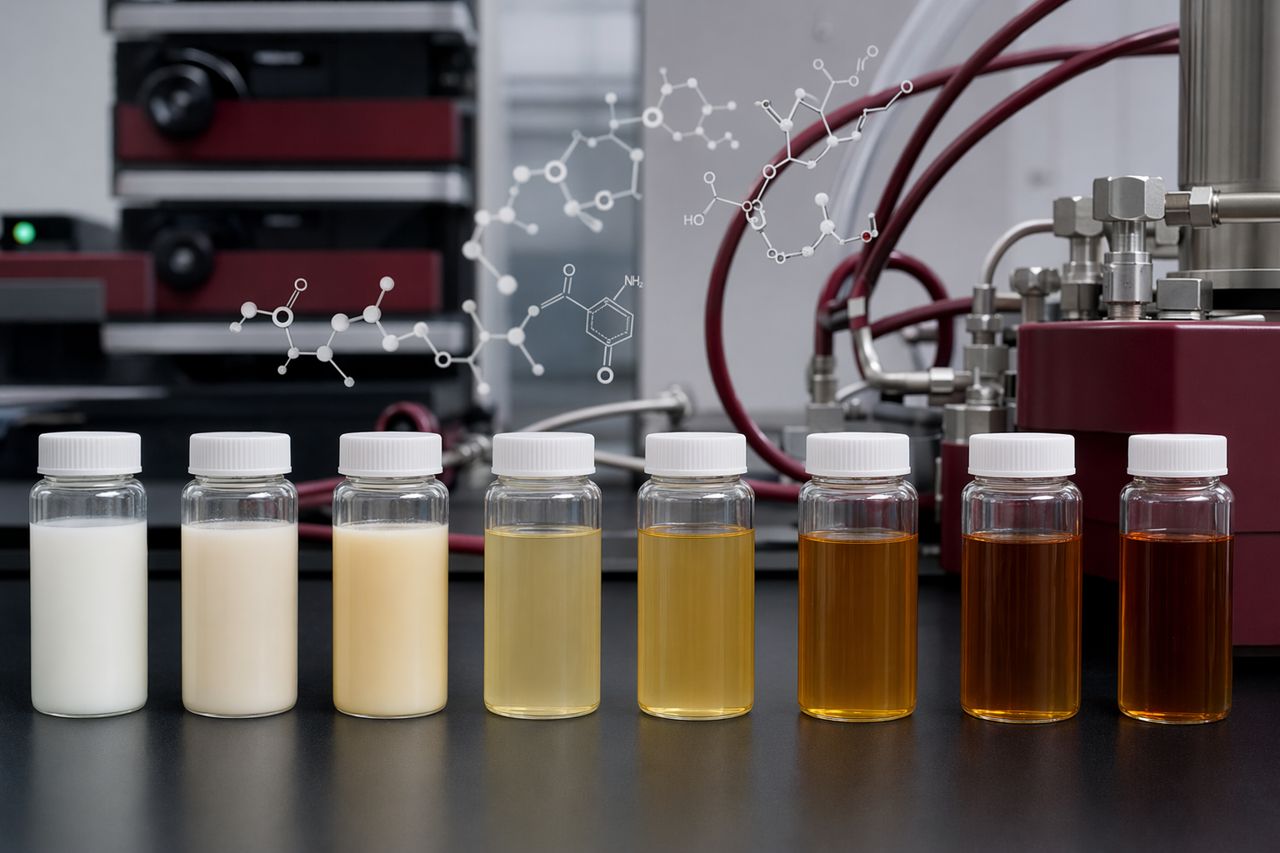
For complex substrates, bench trials should define the relationship between enzyme dosage, exposure time, substrate concentration, and the desired hydrolysis endpoint. The goal is not maximum breakdown. The goal is the right breakdown.
Request Pricing or Technical Fit Guidance
If you are evaluating pepsin for acidic protein processing, send the process context and target outcome. Mordant can help frame the right commercial discussion for sourcing, documentation, and application fit.
Mordant View
Acid is not the obstacle. It is the control plane. Pepsin gives industrial protein processors a precise way to work inside that plane—cleaving deliberately, scaling cleanly, and specifying with intent.